How To Update GB WhatsApp APK: Complete Guide 2026
Keeping GB WhatsApp current is one of the most important habits for avoiding bugs, login problems, and account flags. This guide from GBWHATSAPAI.COM walks through every practical way to update the app, along with what to check before and after the process. Each method below applies to a slightly different installation setup, so finding the right one saves time.

Why Updating Matters
Running an outdated version creates more problems than most users expect, ranging from minor visual glitches to serious login failures. Update packages typically patch compatibility issues with the underlying messaging network, which changes its detection systems periodically. Skipping updates for an extended period increases the risk of the app breaking entirely without warning.
Newer versions also tend to include stability fixes that reduce crashes during media sharing or group chat management. Security patches bundled into updates protect against vulnerabilities discovered in earlier builds. Staying current is simply the easiest way to avoid most of the common issues reported by long-term users.
Signs An Update Is Overdue
A handful of noticeable symptoms usually indicate an installation has fallen behind on updates. Recognizing these signs early prevents smaller issues from turning into a full login failure or ban later on.
- Frequent crashes when opening media files or large group chats.
- Verification or login screens behaving inconsistently compared to before.
- Missing features that appear in screenshots or descriptions of the current version.
- A visible update notification that keeps reappearing without resolving.
- Noticeably slower performance compared to when the app was first installed.
Any combination of these symptoms is a reasonable signal to check the current version number and compare it against the latest release. Addressing an overdue update proactively is almost always easier than troubleshooting a problem after it has already caused a login or ban issue.
How To Check The Current Installed Version
Confirming the currently installed version number is the first step before deciding whether an update is actually needed. This information is usually found within the app’s own settings menu rather than through the device’s general app list.
- Open the app and navigate to the settings or menu section.
- Select the Help or About option from the settings list.
- Locate the version number displayed on that screen.
- Compare this number against the latest available release.
Keeping a note of the currently installed version makes it easier to track whether a future update actually applied successfully. Some users also keep a screenshot of this screen before starting a major update in case a rollback becomes necessary.
Method 1: Manual APK Update
Manual updating remains the most common method for users who installed the app directly through a downloaded APK file rather than a marketplace or store. This approach gives full control over exactly which version gets installed.
Step-By-Step Manual Update
- Download the latest APK file for the app from a trusted source.
- Open the device’s file manager and locate the downloaded file.
- Tap the file to begin the installation process.
- Confirm the prompt asking to install an update over the existing app.
- Wait for the installation to complete without closing the file manager.
- Open the app once the installation finishes to confirm the update applied.
Installing over the existing app rather than uninstalling first preserves chat history and account settings automatically. Skipping the uninstall step is important here, since a fresh install without a proper backup can lead to lost conversations. The entire manual process usually takes only a few minutes on a stable connection.
Method 2: In-App Update Notification
Many current builds of the app include a built-in checker that displays a notification when a new version becomes available. This is the simplest method available, since it removes the need to manually search for update files.
Step-By-Step In-App Update
- Open the app and check for a banner or pop-up mentioning a new version.
- Tap the notification to view details about the available update.
- Select the download or update button shown on that screen.
- Allow the download to complete over a stable connection.
- Confirm the installation prompt once the download finishes.
- Restart the app to verify the new version is active.
This method works well for users who want to stay updated without tracking release announcements manually. Not every installation includes this feature, since it depends on which specific build and source the app originally came from.
Method 3: Updating Through A Marketplace Or Store App
Users who installed the app through an alternative marketplace, whether on Android or iOS, can typically manage updates from within that same marketplace interface. This keeps the update process consistent with however the original installation was handled.
Step-By-Step Marketplace Update
- Open the marketplace or store app used for the original installation.
- Navigate to the installed apps or library section within that marketplace.
- Look for an available update indicator next to the app’s listing.
- Tap update and wait for the download and installation to complete.
- Open the app afterward to confirm the new version number.
Marketplace-based updates tend to be more reliable long-term, since the same platform handles both the initial install and every update that follows. This reduces the chance of accidentally installing a mismatched or unofficial version during the update process.
Method 4: Updating An Emulator-Based PC Installation
For users running the app through an Android emulator on a Windows PC, the update process closely mirrors the original installation steps rather than using a dedicated updater.
Step-By-Step Emulator Update
- Download the latest APK file using the emulator’s built-in browser or the PC’s browser.
- Open the emulator’s APK installer tool or drag-and-drop area.
- Import the newly downloaded APK file into the emulator.
- Confirm the installation prompt to update over the existing version.
- Reopen the app inside the emulator to confirm the update succeeded.
This process works the same way across most popular emulators, with only minor differences in where the APK import option is located. Chat history stored within the emulator’s virtual storage carries over automatically as long as the update installs over the existing app rather than replacing it entirely.
Comparison Table Of Update Methods
| Method | Best For | Update Frequency Control | Difficulty |
|---|---|---|---|
| Manual APK Update | Direct APK installations | Full manual control | Easy to Moderate |
| In-App Notification | Builds with a built-in checker | Prompted automatically | Very Easy |
| Marketplace Update | Alternative store installations | Handled by the marketplace | Easy |
| Emulator Update | PC-based installations | Full manual control | Moderate |
Each method fits a specific installation type, so matching the update approach to how the app was originally installed avoids unnecessary confusion. Marketplace and in-app notification methods generally require the least ongoing effort once initially set up.
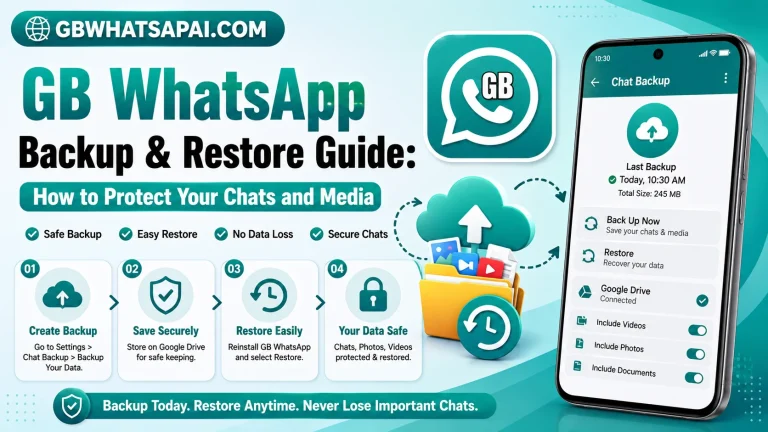
Backing Up Before Updating
Creating a backup before any update protects against the rare case where something goes wrong during installation. This step takes only a few minutes and provides peace of mind regardless of which update method gets used.
- Open the app’s settings and locate the chat backup option.
- Choose a backup destination such as local storage or a linked cloud account.
- Confirm the backup finishes completely before starting the update.
- Keep note of the backup’s location in case a restore becomes necessary.
Restoring a backup after an update is usually only needed if something unexpected happens during installation, which is uncommon when following the steps above. Still, treating this as a standard pre-update habit removes any risk of losing months of conversation history.
What To Do If An Update Fails
Occasionally an update does not complete successfully, leaving the app either unchanged or temporarily unusable. The steps below cover the most effective ways to resolve a failed update.
| Issue | Likely Cause | Suggested Fix |
|---|---|---|
| “App Not Installed” Error | Corrupted or incomplete download | Re-download the APK file and try again |
| App Won’t Open After Update | Installation interrupted midway | Reinstall the same version completely |
| Version Number Unchanged | Update installed incorrectly | Clear cache and repeat the update process |
| Missing Chats After Update | Backup not restored | Restore the saved backup through settings |
| Update Notification Keeps Reappearing | Cache not clearing properly | Clear the app’s cache and restart the device |
Most failed updates resolve with a simple re-download and reinstall rather than requiring any deeper troubleshooting. Persistent issues across multiple attempts usually point toward insufficient storage space or an unstable connection during the download.
How Often New Versions Are Released
Update frequency varies depending on how actively the underlying base app changes and how quickly compatibility fixes get applied. There is no fixed release schedule, so checking periodically remains the most reliable way to stay current.
Following official update channels or checking the settings menu every couple of weeks catches most new releases without much effort. Users who rely on marketplace-based installations benefit from more consistent notifications, since the marketplace typically flags new versions automatically.
Staying Current Without Losing Customization
A common concern before updating is whether custom themes, saved settings, or privacy toggles will reset after installing a new version. In most cases, these settings carry over automatically as long as the update installs directly over the existing app rather than through a full uninstall and reinstall.
Testing a few key settings immediately after any update confirms whether anything needs to be reconfigured. Keeping a quick note of preferred theme and privacy settings beforehand makes reapplying them fast in the rare case a reset does happen.
Freeing Up Storage Before A Large Update
Larger updates occasionally require more temporary storage space during installation than the final app size suggests. Checking available space beforehand avoids a failed installation partway through the process.
- Remove unused apps or large media files taking up unnecessary space.
- Clear the cache of other frequently used apps to free additional room.
- Move photos and videos to cloud storage if local space is limited.
- Confirm at least double the app’s file size is free before starting.
Following this quick check before larger updates prevents one of the more common causes of a failed installation, especially on devices that are already close to their storage limit.
Frequently Asked Questions
Does updating delete existing chat history? No, as long as the update installs over the existing app rather than through a full uninstall first, chat history stays intact.
How can the currently installed version be confirmed? The version number appears within the app’s settings menu under the Help or About section.
Is it safe to skip several versions and update directly to the latest one? Yes, installing the latest version directly works fine in most cases, since newer builds are designed to update smoothly from earlier ones.
Why does an update sometimes fail to install? A corrupted download, insufficient storage space, or an interrupted installation process are the most common causes of a failed update.
Do emulator-based installations need updates as often as phone installations? Yes, the update frequency is the same regardless of whether the app runs on a phone, an emulator, or a marketplace-based iOS setup.
Will updating fix an ongoing login or ban issue? Updating alone will not lift an active ban, though running an outdated version does increase the likelihood of future flags.
Can an update be undone if something goes wrong? Reinstalling a previously saved older APK file effectively reverts the app, provided that file was kept before the update.
Does clearing cache before an update help avoid problems? Yes, clearing cache beforehand reduces the chance of a failed installation caused by leftover temporary files from a previous version.
Conclusion
Keeping GB WhatsApp updated is one of the simplest ways to avoid the bugs, login failures, and account flags covered elsewhere in this series of guides. Whether the installation runs through a manual APK, a marketplace, or an emulator on a PC, matching the right update method to that setup keeps everything running smoothly. GBWHATSAPAI.COM continues tracking new releases so this update guide stays accurate as future versions roll out.